Skip to content
Bark Beetle Larvae — Pest Control

General Pest Control · Columbus, WI

General Pest Control in Columbus, WI for Stink Bugs and Boxelder Bugs

Near the Columbus Antique Mall, freeze-thaw cycles can stress foundation joints and old sealants, leaving small routes into basements and ground-floor rooms. A quick look at door sweeps and foundation seams can flag gaps before pests use them.

  • Serving since 2015
  • Wisconsin commercial pesticide applicator certification
  • General liability and workers’ compensation coverage
  • National Pest Management Association membership

Request a quote

Tell us what you need and we will call you back.

Request a quote

Our team inspects Columbus properties for pest activity, entry points, and conditions that support repeat visits. The mix of historic brick commercial blocks, Victorian-era houses, and wood-frame homes calls for checking each building’s own construction rather than applying one standard treatment. Snow can hide exterior openings, so we pay attention to what becomes visible as conditions change. Lake Michigan moderates nearby temperatures and humidity, but Columbus still has its own seasonal shifts; we base recommendations on the property and observed pest activity, not a regional assumption. Clear findings first. Whether you manage a home near Columbus High School or a business closer to Columbus City Hall, we explain the inspection results and treatment choices before work begins. Call (877) 729-2528 to discuss General Pest Control in Columbus and schedule a visit.

Who Serves Columbus, WI for Pest Control

Columbus’s historic buildings near Columbus City Hall can have older joints and hard-to-see voids that need careful inspection. Cold winters can limit some exterior treatments when the ground is frozen, so we explain which steps can be completed safely at the time of service.

Dry spells can send ants indoors searching for water; we check likely entry routes and moisture sources rather than treating only the visible trail. As fall temperatures drop, boxelder bugs and stink bugs may move inside, so we inspect likely access points and discuss practical exclusion. Spring thaw can also reveal gaps or burrows that were difficult to see during winter.

Our team shares inspection findings, outlines the proposed work, and provides appointment updates. You can expect a clear plan and follow-through.

Pest Control Technician — Residential Service

How We Handle Common Columbus Pest Calls

Ants crossing a kitchen counter after heavy rain may be following a trail from an entry gap; our crew traces activity and checks nearby seams, while you can wipe the trail and look for its starting point. Columbus’s wet-weather shifts make that first check useful.

In autumn, leaf litter can shelter ticks and other insects, so we inspect vegetation and the property edge before recommending treatment. Clear the leaves touching the foundation if you can do so safely.

Snow around Columbus properties can conceal rodent entry points; after it melts, look for openings around utility lines and doors, without reaching into a gap. Winter heating can also draw pests toward indoor warmth, making a new indoor sighting worth documenting.

We confirm the pest, affected rooms, and access points before choosing a treatment. We serve Columbus, WI. Call (877) 729-2528 to arrange an inspection.

How Columbus Humidity Shapes Pest Visits

Humid Columbus summers can support mosquitoes, ticks, and other insects, so a yard concern may call for checking both the property edge and likely harborage. Near the Crawfish River, we assess the actual site rather than assume every property has the same conditions.

We use EPA Integrated Pest Management principles: identify the pest, inspect where it lives, and choose control steps suited to the findings. That may mean correcting access or harborage alongside a targeted application.

Follow-up timing depends on the pest, product, and inspection findings; a return visit is not automatically the same for every Columbus property. You can note where and when activity appears. If it returns around a porch near Columbus Public Library, share that detail with us when arranging service.

How Columbus Pest Treatments Follow Safety Rules

For Columbus pest work, the target pest must be confirmed before a treatment is selected; a misidentified insect can lead to an ineffective application. Around properties near Columbus Community Hospital, we inspect and document the concern before recommending a control method.

The Association of Structural Pest Control Regulatory Officials provides a regulatory reference, but it does not replace the applicable state and federal requirements. We follow product directions and explain any customer preparation or reentry instructions relevant to the job.

Pesticide residues and containers require appropriate handling; RCRA hazardous-waste rules can apply to hazardous residues, so customers should not pour leftovers into drains or ordinary trash. We manage materials according to applicable disposal directions. We also schedule follow-up based on observed pest activity and product directions, then explain what to monitor.

Why us

Local General Pest Control in Columbus, WI

Get clear information about the work, from inspection through follow-up.

Clear Scope First

The crew confirms the target pest, inspects the property, and explains the proposed work before treatment. You can discuss the areas to address and understand what the visit covers.

Wisconsin Know-How

The team’s experience inspecting older homes, basements, and multifamily buildings helps identify common pest entry points. Local knowledge of Wisconsin’s changing weather also informs treatment planning.

Documented Findings

Technicians document findings, products used, and treated locations, then explain preparation and follow-up guidance. That gives you a clear record of the visit and what to expect next.

Our process

How a visit works

Each visit is shaped around the pest, property, and agreed scope of work.

01

Discuss the Concern

Tell the team what you have noticed and where. They gather details about the property and concern so the inspection can focus on the right areas.

02

Inspect and Confirm

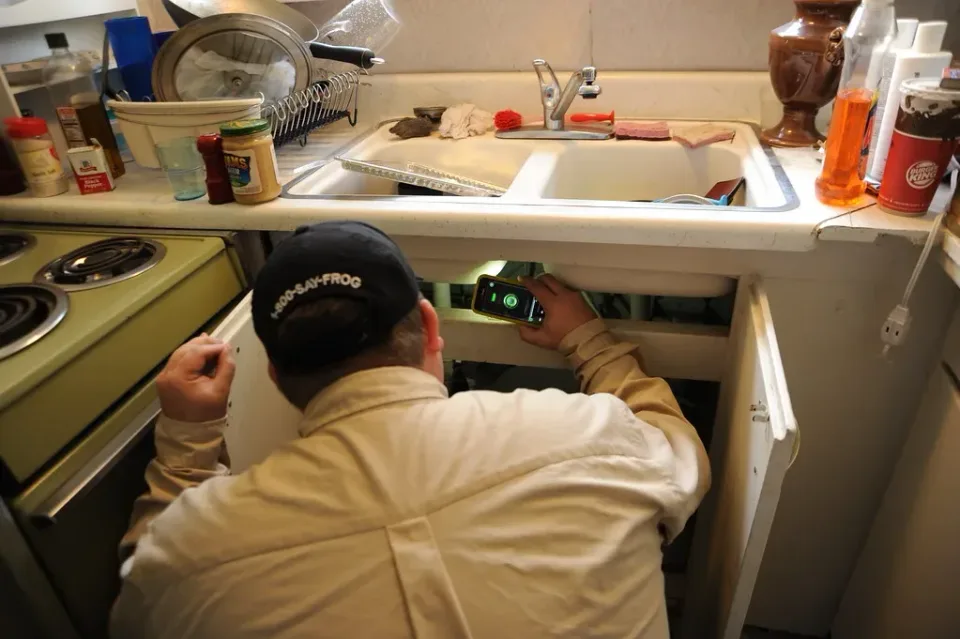
A technician checks relevant areas and confirms the target pest before selecting treatment. You get an explanation of the findings and proposed scope.

03

Prepare the Space

The technician explains any preparation needed for the selected treatment. Secure food, dishes, and pet bowls, and keep children and pets away during application.

04

Treat and Explain

The crew treats the agreed locations, documents findings and products used, and reviews label-based reentry guidance. Follow-up is planned according to pest activity and product directions.

Typical jobs

Typical jobs in Columbus, WI

Across general pest control calls, the most common reasons people reach out are rodents, ants and stinging insects.

Typical job

Property owners report bed bugs in an

A technician inspects the affected areas, confirms the pest, and discusses the requested heat-treatment estimate and property scope. The owner gets findings and a clear understanding of the work being considered before deciding how to proceed.

Typical job

Residents notice a bald-faced hornet nest on

The crew reviews the nest location and surrounding access, then explains the treatment approach and any precautions for people and pets. Keep people clear of the area while arranging professional assessment; avoid disturbing the nest.

Typical job

A homeowner reports signs of mice inside

A technician inspects relevant areas, confirms the pest, and discusses treatment options and likely entry points with the homeowner. The visit clarifies where activity is found and what work is appropriate for the property.
Warning signs

Early Signs to Notice

Spider Webs Reappearing

Spider webs returning in basement corners can signal ongoing activity. Note where webs appear and whether they return after cleaning; that location information can help a technician focus an inspection.

Small Shed Wings

Discarded insect wings near a window or door are a sign worth checking. Keep track of where they collect and whether more appear, but avoid identifying a pest from wings alone.

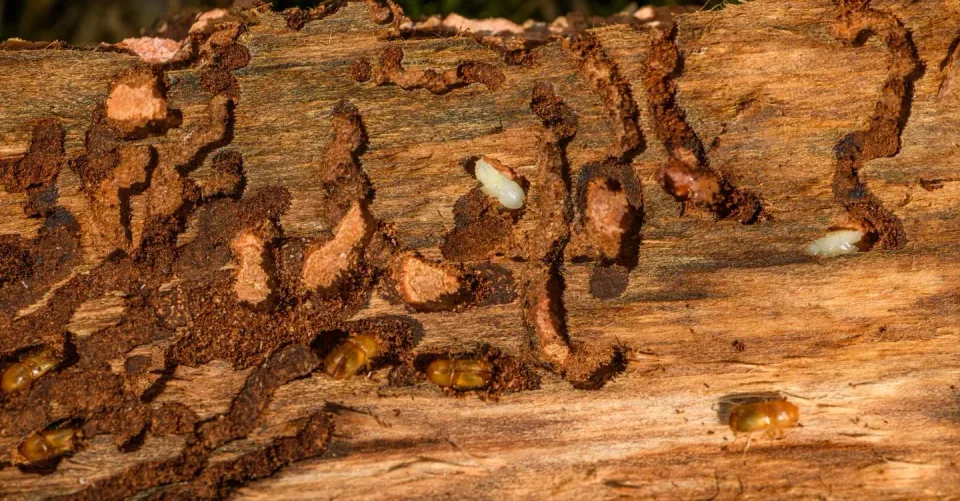
Unusual Wood Dust

Fine wood-like dust near trim or stored lumber deserves attention, especially if you cannot identify its source. Take note of the location and nearby surfaces so the concern can be inspected.

Through the year

Pest Control Through the Year

Spring

Freeze-thaw conditions can expose gaps around foundations, doors, and utility openings. A spring inspection can help identify changed entry points and set a plan for the property before pest activity shifts.

Summer

Warm, humid weather can change where pests are active around buildings and outdoor spaces. A summer visit can assess current activity and help match treatment to the pest and areas involved.

Fall

As outdoor conditions cool, pests may seek sheltered spaces in buildings. Fall is a useful time to inspect basements, storage areas, and possible openings and discuss practical treatment options.

Winter

Freeze-thaw winter cycles can stress seals and reveal gaps as temperatures shift. A winter inspection can focus on indoor activity and entry points, with treatment selected for the confirmed pest and property.

Before you hire

Questions Before You Hire

Q1

What certification applies to this work?

Ask what Wisconsin credentials apply to your pest and treatment, and who will perform the work, so you understand how the service is overseen.

Q2

What access or preparation is needed?

Find out which rooms, storage areas, or exterior locations the technician needs to reach. Ask about protecting food, dishes, and pet bowls, and how children and pets should be kept away during application.

Q3

Are there contract or follow-up terms?

Ask whether the service involves a written agreement, what it says about return visits, and how follow-up is determined. Review the terms before work begins so you know what is included and what may require a separate arrangement.

Ready to get started?

Call to talk through your job in Columbus.

11+

Years serving Columbus

101

Areas served

FAQ

General Pest Control FAQs in Columbus, WI

Straight answers for customers in Columbus on pricing, delivery, and scheduling.

What should I do if ants appear on my Columbus kitchen counter?

Wipe the visible trail, note where it begins, and check for an accessible gap or food residue. After heavy rain, ants may move indoors. Our team can inspect the activity and identify a treatment plan for the Columbus property.

Can winter weather affect pest service in Columbus?

Yes. Frozen ground can restrict some exterior work, and snow may conceal entry points. We assess what can be treated safely during the visit and explain whether a later exterior check is appropriate.

How do you decide whether a follow-up visit is needed?

We base follow-up timing on the pest, inspection findings, observed activity, and the product directions. Keep a note of where activity continues so our team can assess the next step.

ZIP code

ZIP Codes We Serve in Columbus, WI

General Pest Control covers every ZIP code in Columbus, WI.

53925
Local Leadership

Meet Your Local Experts

Daniel Mercer Lead Expert

Wisconsin Pest Solutions

"Practical Pest Control, Statewide"

I started in pest control in the Milwaukee area, learning to inspect older homes, basements, and multifamily buildings for the entry points pests use. Wisconsin’s cold winters and warm, humid summers taught me to plan for seasonal shifts and to explain treatment choices clearly to homeowners.

11+ years experience Wisconsin commercial pesticide applicator certification General liability and workers’ compensation coverage National Pest Management Association membership
Get a Quote

Get a General Pest Control Quote in Columbus, WI

Share job details below or call our team directly. Phone: (877) 729-2528

Call Us

(877) 729-2528

Our Location

Columbus, WI

Working Hours

Mon–Sun 8 AM–9 PM