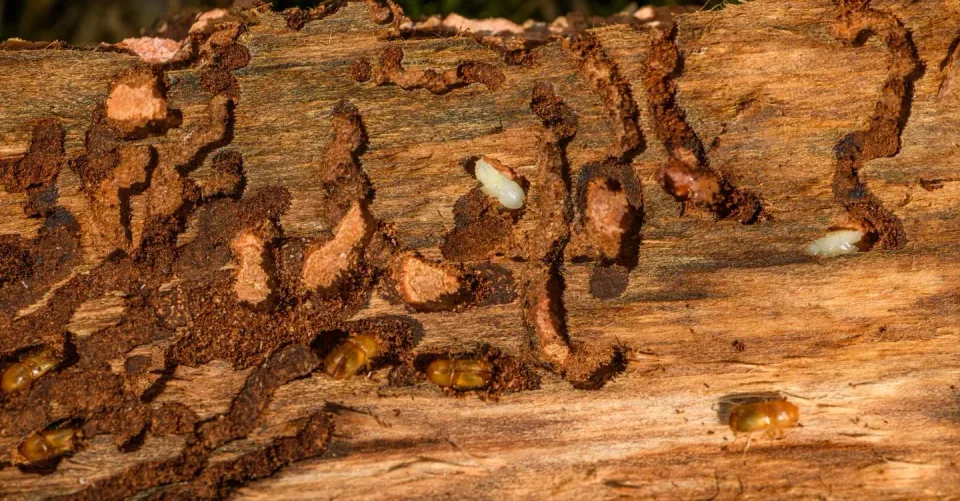
General Pest Control · Beaver Dam, WI
General Pest Control in Beaver Dam, WI for Stink Bug Control, Boxelder Bug Treatment and Cluster Fly Treatment
After heavy rain, ants may leave wet outdoor harborage and forage indoors; check where the kitchen trail begins before wiping it away. We trace the route and look for entry gaps, food sources, and conditions that keep activity going.
- Serving since 2015
- Wisconsin commercial pesticide applicator certification
- General liability and workers’ compensation coverage
- National Pest Management Association membership
- Serving since 2015
- Wisconsin commercial pesticide applicator certification
- General liability and workers’ compensation coverage
- National Pest Management Association membership
Near Strong Park, autumn leaf litter can shelter ticks and other insects, so clearing leaves from building edges helps reduce places pests can hide. At Beaver Dam Public Library, seasonal foot traffic is a reminder that indoor pest concerns can involve shared spaces as well as homes; we inspect the affected rooms and explain what we find. Our team handles general pest concerns in Beaver Dam with a careful inspection, practical treatment choices, and clear follow-up. We consider the building and the pest before recommending work, rather than treating every property the same way. For service in ZIP code 53916, call (877) 729-2528 to discuss what you are seeing and arrange an inspection.
Who Serves Beaver Dam Homes for Pest Control?
At Wisconsin Pest Solutions, our crew serves Beaver Dam, where older brick downtown buildings and homes near Beaver Dam City Hall can present different access points and treatment needs. Frequent freeze-thaw cycles can stress foundation joints and sealants, so we check those edges during an inspection instead of assuming a past repair still holds. We explain the findings plainly.
Our team has served Beaver Dam for more than 11 years. We schedule with local residents and property owners, confirm the areas to be inspected, and explain the recommended treatment before work begins. Winter heating can draw pests toward indoor warmth, while snow may hide exterior entry points; we help customers identify what to monitor and provide straightforward follow-up when activity remains.
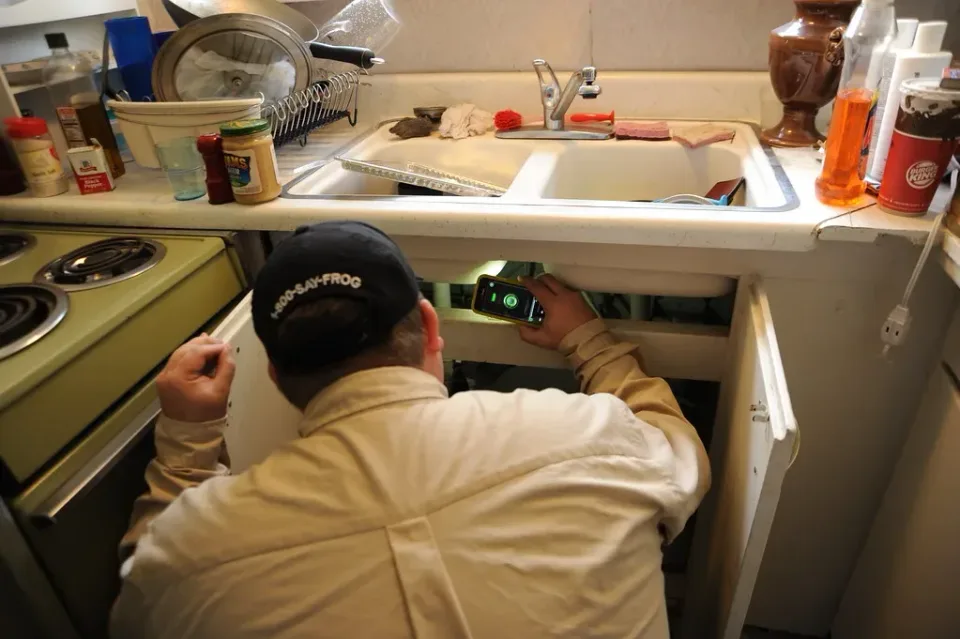
Common Pest Problems in Beaver Dam Homes
Cockroaches appearing after dark indoors
Mouse droppings inside pantry cabinets
Bed bugs causing itchy overnight bites
Wasps nesting near the front door
Spiders returning in basement corners
How to Plan Pest Control Around Beaver Dam Weather
Spring thaw can expose burrows and gaps along foundations, making it a useful time to check the outside of a Beaver Dam property. Look along the foundation for fresh soil or openings; do not reach into a suspected burrow. Our team inspects the area and identifies practical next steps.
Warm, wet weather can increase mosquito activity around Beaver Dam Lake, so standing water near outdoor gathering areas deserves attention. We inspect the site and identify water sources that may need to be addressed alongside any treatment.
Our work follows EPA Integrated Pest Management principles: inspect first, identify the pest, and choose controls suited to the conditions. For product questions, the National Pesticide Information Center offers pesticide information for consumers.
Strong Park provides a familiar local reference for outdoor service planning; weather and site access determine the appointment details. Call (877) 729-2528 when you want our team to assess a concern.
Wisconsin Pesticide Rules Guide Beaver Dam Treatments
OSHA requirements also guide worker safety on the job.
Our team explains the treatment and relevant product directions before applying it, and we follow applicable label and disposal requirements. Beaver Dam property owners should ask about any separate building or site work requirements if a repair or renovation is part of the project. Call (877) 729-2528 with questions about a planned treatment.
Why us
Local General Pest Control in Beaver Dam, WI
Get clear information about the work, from inspection through follow-up.
Scope Agreed First
A technician checks the pest and affected areas before selecting treatment. The findings help shape a clear scope, so you can understand what the visit covers before work begins.
Local Property Know-How
Experience inspecting older homes, basements, and multifamily buildings helps the team look for pest entry points. Treatments are adapted to the pest and property rather than treated as one-size-fits-all.
Clear Visit Notes
Technicians document findings, products used, and treated locations. They also explain preparation and follow-up guidance, so you know what to do around the home after the visit.
Our process
How a visit works
Each visit is planned around the pest activity and the property.
01
Describe the Issue
Tell the team what pest you have noticed and where activity appears. This gives the technician useful context for arranging an inspection suited to your property.
02
Inspect the Property
The technician checks affected areas and likely entry points to confirm the target pest. You get findings that help guide treatment choices and define the work.
03
Prepare and Treat
The technician explains any preparation, then treats the agreed locations using a method suited to the pest. Secure food, dishes, and pet bowls, and keep children and pets away during application.
Warning signs
Early Signs to Notice
Small Gaps Around Pipes
Gaps around pipes can be an early sign of a possible pest entry point. Check where plumbing passes through walls or cabinets, especially in utility areas. Note any nearby activity and share its location during an inspection.
Damaged Stored Food
Damaged packaging in a cupboard can signal pest activity before you see the pest itself. Look for torn wrappers, spilled dry goods, or unusual marks. Store food securely and note where you find the damage.
Fine Webbing in Corners
Fine webbing in a quiet corner is a visible sign of spider activity. Check storage areas and edges of rooms for recurring webs. Clearing them can make it easier to notice whether activity returns and where it starts.
Through the year
Pest Control Through the Year
Spring
Spring storms and flood risk can shift moisture around foundations and basements, changing where pests may shelter. An inspection can identify activity and entry points after wet conditions, helping tailor general pest control to the property.
Summer
Warm, humid summer conditions can support pest activity around homes and buildings. A visit can address signs as they appear and document treated locations, giving you practical guidance suited to the target pest and property.
Fall
As outdoor conditions change, pests may seek shelter in buildings. Check for activity near openings, basements, and storage areas, then arrange an inspection to confirm the pest and discuss a suitable treatment scope.
Winter
Freeze-thaw cycles can affect roads and property access, while indoor warmth can make sheltered areas attractive to pests. An inspection can focus on reported indoor activity and likely entry points, with treatment selected after confirming the pest.
Before you hire
Questions Before You Hire
Q1
What credentials and coverage does your team have?
Ask what qualifications and business coverage apply to the work. Wisconsin Pest Solutions states that its team holds Wisconsin commercial pesticide applicator certification and carries general liability and workers’ compensation coverage.
Q2
What access or preparation is needed?
The technician may need access to affected rooms or other relevant areas to inspect and treat. Ask about preparation in advance, including securing food, dishes, and pet bowls when treatment requires it.
Q3
What terms apply to follow-up visits?
Follow-up timing and any additional visit terms should be clear before you agree to service. Ask how pest activity and product directions guide follow-up, and what information you will receive after treatment.
Ready to get started?
Call to talk through your job in Beaver Dam.
11+
Years serving Beaver Dam
101
Areas served
FAQ
General Pest Control FAQs in Beaver Dam, WI
Straight answers for customers in Beaver Dam on pricing, delivery, and scheduling.
What should I do when I find ants on a Beaver Dam kitchen counter?
Note where the trail starts and whether it returns after cleanup. Heavy rainfall can drive ants indoors, so our team checks the route, nearby entry points, and conditions that may be sustaining activity.
Are pest treatments safe for pets?
Safety depends on the product, application location, and label directions. Tell our team about pets before treatment; we will explain any precautions and the product-label re-entry instructions that apply.
When should Beaver Dam homeowners schedule an inspection?
Arrange an inspection when you see recurring activity, droppings, or damage, or when seasonal changes reveal possible access points. Spring thaw can expose foundation gaps that were harder to spot during winter.
ZIP code
ZIP Codes We Serve in Beaver Dam, WI
General Pest Control covers every ZIP code in Beaver Dam, WI.
53916
Local Leadership
Meet Your Local Experts

Daniel Mercer Lead Expert
Wisconsin Pest Solutions
"Practical Pest Control, Statewide"
I started in pest control in the Milwaukee area, learning to inspect older homes, basements, and multifamily buildings for the entry points pests use. Wisconsin’s cold winters and warm, humid summers taught me to plan for seasonal shifts and to explain treatment choices clearly to homeowners.
11+ years experience Wisconsin commercial pesticide applicator certification General liability and workers’ compensation coverage National Pest Management Association membership
Get a Quote
Get a General Pest Control Quote in Beaver Dam, WI
Share job details below or call our team directly. Phone: (877) 729-2528
Nearby Cities
Service Areas Within 30 Miles of Beaver Dam
General Pest Control is also available in these nearby communities.